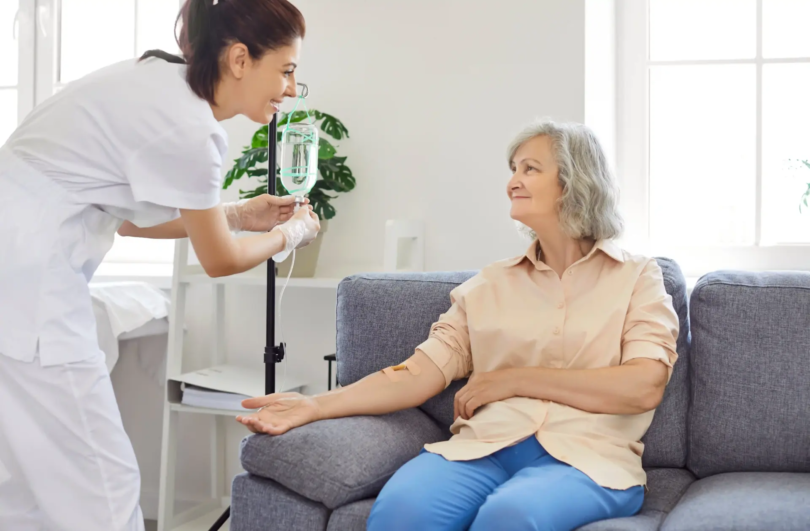

As life expectancy continues to increase worldwide, the importance of geriatric medicine has grown significantly. Geriatrics is a specialized branch of medicine dedicated to the health, well-being, and quality of life of older adults. Through comprehensive medical care, prevention strategies, and personalized treatment plans, geriatric medicine helps seniors maintain their independence, functionality, and overall health for as long as possible. According to the Geriatrics Department of Liv Hospital, the field focuses on addressing the unique healthcare needs that arise with aging, including chronic disease management, cognitive health, mobility challenges, and preventive care.
What Is Geriatrics?
The medical specialty known as GERIATRICS Overview and Definition refers to the diagnosis, treatment, prevention, and management of health conditions affecting older adults. While there is no strict age at which a person becomes a geriatric patient, the specialty generally focuses on individuals aged 65 and older, particularly those experiencing multiple chronic conditions, frailty, or age-related health concerns.
Unlike traditional adult medicine, geriatrics takes a holistic approach. Rather than treating a single disease in isolation, geriatric specialists evaluate the patient’s overall physical, mental, emotional, and social well-being. This comprehensive perspective helps ensure that treatment plans align with the individual’s health goals, lifestyle, and quality-of-life expectations.
Why Is Geriatrics Important?
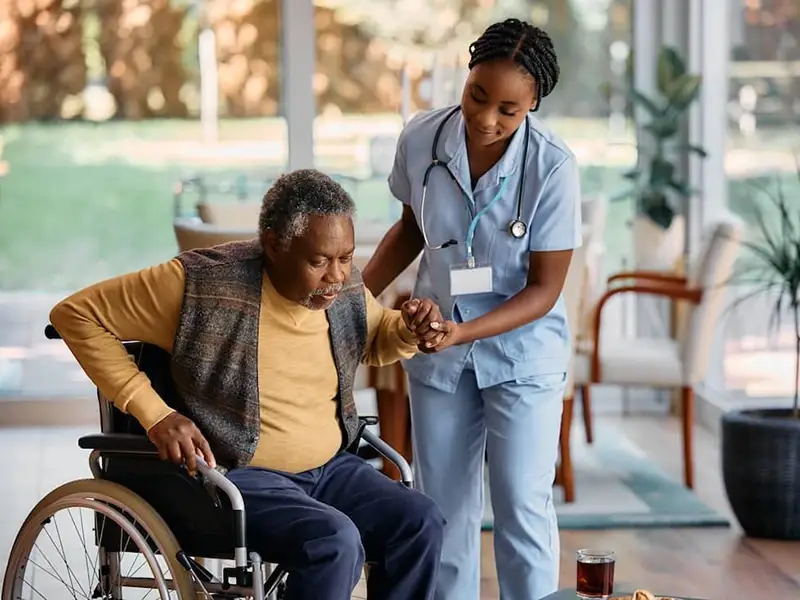
Aging is accompanied by natural physiological changes that affect nearly every organ system. Older adults often face complex health challenges that require specialized medical attention. Common concerns include:
- Multiple chronic diseases occurring simultaneously
- Reduced mobility and increased risk of falls
- Memory loss and cognitive decline
- Medication management and drug interactions
- Nutritional deficiencies
- Hearing and vision impairments
- Social isolation and mental health concerns
- Frailty and decreased physical resilience
Geriatric medicine aims to address these challenges proactively, helping patients maintain independence and improve their overall quality of life.
The Goals of Geriatric Care
The primary objective of geriatric care is not merely to treat diseases but to optimize health and functionality. Key goals include:
Maintaining Independence
One of the central focuses of geriatrics is helping older adults continue performing daily activities independently. This includes managing mobility, strength, balance, and cognitive function.
Preventing Health Complications
Preventive care plays a critical role in geriatrics. Regular screenings, vaccinations, medication reviews, and health assessments can help identify potential issues before they become serious problems.
Managing Chronic Conditions
Older adults frequently live with multiple chronic illnesses such as diabetes, hypertension, cardiovascular disease, arthritis, and osteoporosis. Geriatricians coordinate treatment plans to ensure these conditions are managed safely and effectively.
Enhancing Quality of Life
Successful aging involves more than physical health. Geriatric care also addresses emotional well-being, social engagement, mental health, and overall life satisfaction.
Common Conditions Managed in Geriatrics
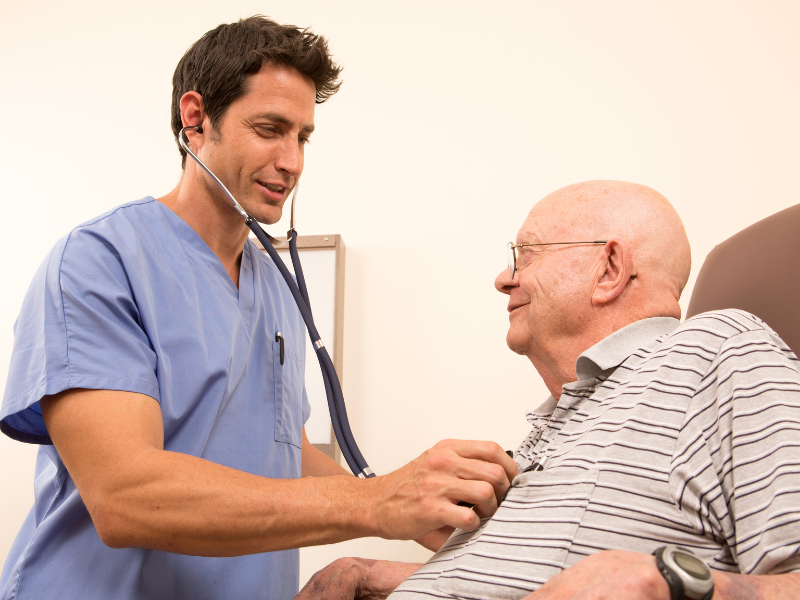
Geriatric specialists frequently diagnose and treat a wide range of age-related conditions, including:
- Dementia and Alzheimer’s disease
- Parkinson’s disease
- Stroke-related complications
- Osteoporosis
- Balance disorders and falls
- Depression and anxiety
- Urinary incontinence
- Sleep disorders
- Malnutrition
- Polypharmacy (use of multiple medications)
- Cardiovascular diseases
- Chronic pain conditions
These conditions often interact with one another, making coordinated care essential for successful treatment outcomes.
Comprehensive Geriatric Assessment
A cornerstone of modern geriatric medicine is the Comprehensive Geriatric Assessment (CGA). This multidisciplinary evaluation examines:
- Medical history and current health conditions
- Physical function and mobility
- Cognitive performance
- Emotional and psychological well-being
- Nutritional status
- Medication usage
- Social support systems
- Living environment and safety
The information gathered allows healthcare providers to create individualized treatment plans tailored to the unique needs of each patient. Studies have shown that comprehensive assessments can improve health outcomes, reduce hospitalizations, and support independent living.
The Role of a Geriatrician
A geriatrician is a physician specially trained to care for older adults. These specialists understand how aging affects the body and how multiple health conditions can interact. Their expertise includes:
- Managing complex medical conditions
- Coordinating care among multiple specialists
- Reviewing medications to minimize side effects
- Assessing cognitive and functional health
- Developing preventive health strategies
- Supporting patients and caregivers
By taking a patient-centered approach, geriatricians help older adults navigate the challenges of aging while preserving dignity and independence.
The Future of Geriatric Medicine
As populations continue to age globally, the demand for geriatric services is expected to grow substantially. Advances in medical technology, telemedicine, personalized healthcare, and aging research are creating new opportunities to improve health outcomes for seniors. Modern geriatric medicine increasingly focuses on extending not only lifespan but also healthspan the number of years individuals can live actively and independently.
Conclusion
Geriatrics is a vital medical specialty dedicated to promoting healthy aging and improving the quality of life for older adults. Through comprehensive assessments, personalized treatment plans, preventive care, and multidisciplinary support, geriatric medicine helps seniors maintain their independence and well-being. Whether managing chronic conditions, preventing falls, addressing cognitive concerns, or supporting caregivers, geriatric care plays an essential role in ensuring that aging individuals can enjoy healthier, safer, and more fulfilling lives.