

A roof replacement is one of the biggest maintenance projects a homeowner will face. Unlike smaller repairs, replacing an entire roofing system affects your budget, your daily routine, and the long-term protection of your property. The process can feel overwhelming at first, especially if you have never managed a large exterior home improvement project before.
The good news is that careful planning makes the experience far more manageable. By understanding the early warning signs, setting realistic expectations, and preparing your home ahead of time, homeowners can approach roof replacement projects with more confidence and fewer surprises.
Understanding When a Roof Replacement Makes Sense
Many homeowners try to delay roof replacement for as long as possible. While repairs can extend the life of a roof in some situations, there comes a point when replacement becomes the more practical and cost-effective solution.
Several common indicators suggest it may be time to consider replacing your roof:
- Frequent leaks appearing in multiple areas
- Missing or curling shingles
- Water stains on ceilings or attic surfaces
- Granule loss from asphalt shingles
- Sagging roof sections
- Visible storm or wind damage
- Rising energy bills caused by poor insulation performance
Age is also a major factor. Most asphalt roofing systems have a lifespan that ranges between 20 and 30 years depending on materials, installation quality, and climate conditions. In regions with intense heat, heavy rain, or severe storms, roofs may deteriorate more quickly.
Waiting too long can create larger structural issues. Moisture intrusion often spreads beyond the roofing materials themselves and can eventually impact insulation, decking, drywall, and even electrical systems inside the home.
Why Climate Matters More Than Many Homeowners Realize
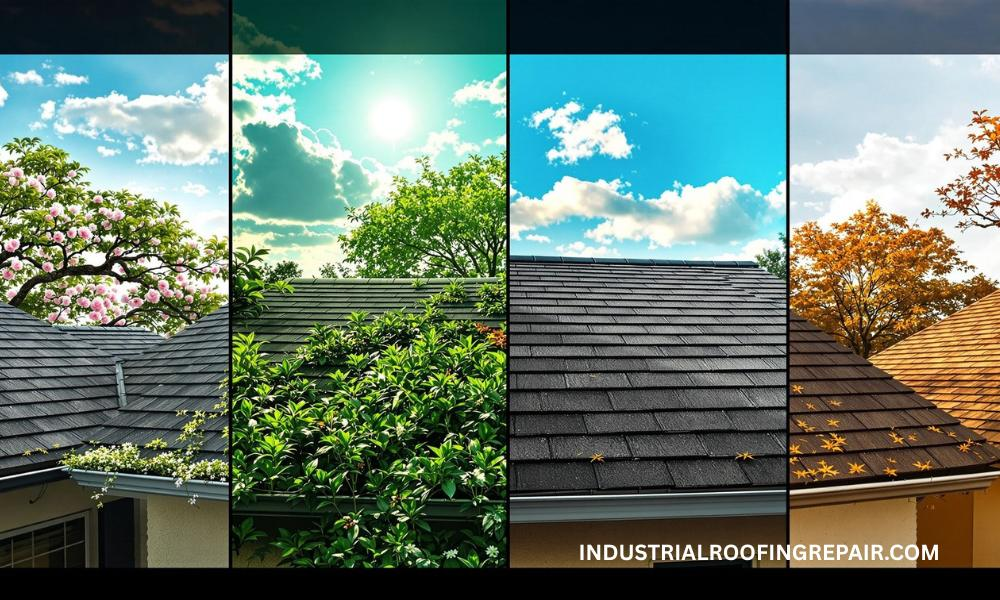
Local weather conditions play a major role in determining roofing performance. Homeowners in warm, storm-prone regions often experience more wear and tear compared to properties located in milder climates.
High humidity, UV exposure, and seasonal storms can all accelerate aging. Wind uplift can loosen shingles, while heavy rainfall may expose vulnerabilities around flashing and roof penetrations.
This is why local expertise matters during a roofing project. Homeowners researching roofing options often look for professionals who understand the environmental demands specific to their region. For example, working with a qualified Houston roof replacement contractor can help homeowners better understand materials and installation methods suited for challenging Gulf Coast weather conditions.
Choosing roofing systems designed for regional durability may improve long-term performance and reduce the likelihood of recurring repairs.
Setting a Realistic Budget Before Work Begins
One of the most common sources of stress during a roof replacement project is financial uncertainty. Many homeowners underestimate the total scope of work involved, especially if hidden damage is discovered once old materials are removed.
A complete roofing estimate may include:
Material Costs
The type of roofing material significantly affects pricing. Asphalt shingles are generally the most affordable, while metal, tile, or specialty systems typically require a larger investment.
Labor and Installation
Complex roof designs with steep slopes, multiple valleys, or difficult access points may increase labor costs.
Decking Repairs
If moisture damage has affected the underlying roof deck, portions may need replacement before new materials can be installed safely.
Ventilation Improvements
Proper attic ventilation is essential for energy efficiency and moisture control. Some older homes require ventilation upgrades during replacement projects.
Cleanup and Disposal
Roof tear-offs generate significant debris. Disposal fees and site cleanup are usually included in professional estimates.
Homeowners should also set aside a contingency budget for unexpected repairs. Even well-maintained roofs can conceal hidden issues beneath aging shingles.
Preparing Your Home Before Installation Day
Roof replacement projects can be noisy and disruptive for a short period of time. Preparing ahead of installation helps minimize inconvenience and protects your belongings.
Here are several practical preparation steps homeowners often overlook:
Protect Fragile Items Indoors
Roof work creates vibrations throughout the house. Remove delicate wall décor, mirrors, or fragile attic storage items before work begins.
Clear Outdoor Areas
Move patio furniture, grills, vehicles, and potted plants away from the work zone to reduce the risk of accidental damage.
Inform Neighbors
Giving neighbors advance notice about temporary noise and construction activity is a considerate step that helps avoid frustration.
Plan for Children and Pets
The sounds of hammering and movement on the roof can be stressful for pets and young children. Some families choose to schedule outings during active work hours.
Ensure Easy Access
Contractors may need access to driveways, gates, or electrical outlets during installation.
These simple preparations can make the project run more efficiently while reducing unnecessary stress for everyone involved.
The Importance of Communication During the Project
Clear communication is one of the most overlooked aspects of successful home improvement projects. Homeowners should feel comfortable asking questions throughout the roofing process.
Important topics to discuss include:
- Estimated project timeline
- Daily work schedules
- Weather-related delays
- Material delivery timing
- Warranty information
- Cleanup procedures
- Final inspection expectations
Staying informed helps homeowners avoid misunderstandings and feel more confident about project progress.
It is also helpful to document important conversations and keep copies of estimates, invoices, and warranty information organized in one location for future reference.
Long-Term Maintenance After Roof Replacement
A new roof is a major investment, and ongoing maintenance helps maximize its lifespan. Even high-quality roofing systems benefit from periodic inspections and preventative care.
Homeowners can help protect their investment by:
- Cleaning gutters regularly
- Trimming overhanging tree branches
- Inspecting the attic for moisture signs
- Scheduling inspections after severe storms
- Addressing small issues promptly before they worsen
Routine maintenance is often far less expensive than major repairs caused by neglect.
It is also wise to keep records of maintenance visits and inspections. These documents may become valuable for warranty purposes or future home resale.
Conclusion
Replacing a roof may seem intimidating at first, but preparation and informed decision-making can significantly reduce the stress involved. Understanding warning signs early, budgeting realistically, and choosing experienced professionals all contribute to a smoother project experience.
A roof does far more than improve curb appeal. It protects the structure of the home, supports energy efficiency, and helps maintain long-term property value. Homeowners who approach roof replacement proactively are often better positioned to avoid emergency repairs and unexpected damage later on.
With the right planning and a clear understanding of the process, a roof replacement project can become a smart long-term investment rather than a disruptive burden.