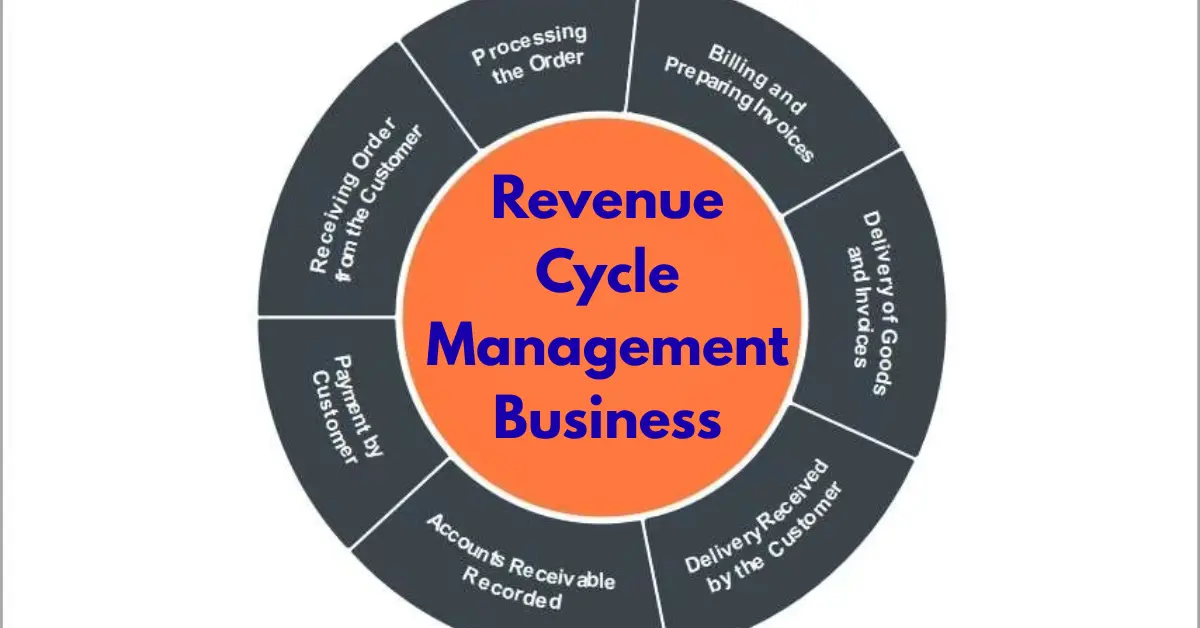

Revenue Cycle Management Business is the backbone of financial success in today’s service-driven industries. It ensures that every stage from client engagement to final payment is smooth, accurate, and profitable. By optimizing billing, reducing claim errors, and accelerating cash flow, businesses can maintain stability and scale confidently. Unlike outdated systems that lose revenue in gaps, a smart RCM approach builds trust and efficiency. With clear processes and the right tools, this model transforms financial chaos into clarity.
Strategic Importance of Revenue Cycle Management
Revenue Cycle Management Business plays a vital role in turning services into predictable income. When systems are aligned correctly, businesses avoid delayed payments, reduce billing errors, and maintain consistent cash flow. The strategic value lies in its ability to bring full visibility into financial operations connecting patient experience, staff efficiency, and revenue collection into one smart cycle.

Instead of chasing lost income or fixing repeated mistakes, a strong revenue cycle empowers companies to scale with confidence, comply with regulations, and invest in future growth. It becomes more than just a billing system; it transforms into a profit engine that protects the business from financial leakage and operational blind spots.
Core Components of Revenue Cycle Management Business
Revenue Cycle Management Business is built on a series of connected stages that ensure accurate billing, timely payments, and financial stability. Each component plays a direct role in shaping how smoothly income is generated and collected.
1. Pre‑Registration
Basic information is gathered before the service is provided, including insurance verification and eligibility checks. This helps avoid claim rejections and billing delays.
2. Registration
At the time of service, patient or client data is reviewed and confirmed. Any updates to personal or insurance details are recorded to reduce errors.
3. Charge Capture
All services rendered are documented and translated into billable codes. Proper charge capture ensures nothing is missed or underbilled.
4. Medical Coding
Accurate coding converts the services into standardized formats that insurance providers understand. This is essential for claim approval and legal compliance.
5. Claims Submission
Once coded, claims are sent to insurance companies for reimbursement. Clean and timely submissions increase the chance of faster payments.
6. Payment Posting
Received payments are posted to the accounts, matched with services, and recorded in the system. This gives a clear picture of revenue status.
7. Accounts Receivable Management
Unpaid or denied claims are followed up, reworked, or appealed. Active follow-up reduces revenue loss and improves cash flow.
8. Patient Billing and Collections
After insurance processing, any remaining balances are billed to the customer. Clear communication and easy payment options improve collection rates.
9. Reporting and Analytics
Insights from billing performance, denial trends, and cash flow help businesses make better financial decisions and identify areas of improvement.
Future Trends in Revenue Cycle Management

Revenue Cycle Management Business is evolving rapidly as technology, regulations, and patient expectations continue to shift. Staying ahead means understanding the trends shaping its future and adapting smart solutions that drive accuracy, speed, and profit.
1. Artificial Intelligence (AI) for Faster Processing
AI tools are automating claim reviews, coding checks, and denial prediction cutting down manual effort and speeding up reimbursements.
2. Real-Time Eligibility Verification
Systems now offer live insurance validation before service, reducing rejections and improving patient experience.
3. Predictive Analytics for Revenue Forecasting
Data-driven tools are helping businesses predict cash flow, track payment patterns, and identify financial risks before they grow.
4. Robotic Process Automation (RPA)
RPA bots handle repetitive tasks like data entry, payment posting, and claim submissions with higher accuracy and lower cost.
5. Cloud-Based RCM Platforms
Modern cloud solutions offer scalable, secure access to financial workflows, making it easier for remote teams to collaborate in real-time.
6. Patient-Centric Payment Models
More businesses are offering flexible, digital payment options and transparent billing to improve patient satisfaction and speed up collections.
7. Regulatory Compliance Automation
Built-in compliance checks and audit trails help meet government standards without manual tracking.
8. Integrated EHR and RCM Systems
Seamless integration between Electronic Health Records and RCM tools ensures cleaner data, faster coding, and fewer billing errors.
9. Value-Based Care Alignment
Future models will reward efficiency and patient outcomes instead of volume, shifting how revenue is managed and measured.
Advantages and Disadvantages of Revenue Cycle Management Business
Revenue Cycle Management Business offers strong financial control, but also presents setup and compliance challenges. Here’s a quick look at both sides pros and cons:
| Pros of Revenue Cycle Management Business |
| Improved Cash Flow: Efficient RCM ensures timely payments from both insurance companies and patients, stabilizing your financial operations. |
| Stronger Compliance: RCM systems help meet legal and insurance guidelines, avoiding costly penalties. |
| Enhanced Patient Experience: Clear billing, faster approvals, and flexible payment options build trust and satisfaction. |
| Better Decision-Making: Analytics tools offer insights into revenue trends, helping leaders make informed, data-driven choices. |
| Higher Staff Productivity: With repetitive tasks automated, staff can focus on service quality instead of paperwork. |
| Fewer Billing Errors: Automated coding, verification, and claim submission reduce mistakes that lead to denials or delays. |
| Cons of Revenue Cycle Management Business |
| Complexity in Implementation: Integrating RCM with existing systems may take time and technical expertise. |
| High Initial Investment: Setting up a complete RCM system, including software and training, can be expensive for small businesses. |
| Dependence on Technology: Overreliance on automation means any technical glitch can disrupt the entire billing cycle. |
| Risk of Outsourcing Errors: If RCM is outsourced to a third party, lack of control can lead to poor communication or delays in issue resolution. |
| Constant Updates Required: Keeping up with insurance rules, coding changes, and compliance laws demands regular updates and monitoring. |
Common FAQs about Revenue Cycle Management Business
Revenue Cycle Management Business often raises important questions for those looking to improve financial processes or start in this field. Here are the most common queries and clear answers to guide your understanding.
What is Revenue Cycle Management Business?
It is the process of tracking and managing all steps involved in getting paid for services from appointment scheduling to final payment collection. It ensures smooth cash flow and reduces billing errors.
Who needs Revenue Cycle Management services?
Hospitals, clinics, medical groups, diagnostic labs, and even wellness centres benefit from RCM to handle billing, coding, and insurance claims efficiently.
How does RCM improve business revenue?
By reducing delays, claim denials, and billing mistakes, RCM helps businesses collect payments faster and more accurately leading to better revenue performance.
Can small clinics afford Revenue Cycle Management Business services?
Yes, many scalable solutions exist that fit the needs and budgets of smaller practices. Even basic RCM tools can bring noticeable improvements in income tracking.
What are the main tools used in Revenue Cycle Management?
Common tools include billing software, coding systems, insurance verification platforms, and reporting dashboards that track key financial metrics.
Is outsourcing RCM better than managing it in-house?
Outsourcing can save time and resources but may reduce control. In-house systems offer more customization but require trained staff and regular oversight.
How long does it take to see results from RCM improvements?
Many businesses begin seeing better payment cycles and fewer denials within 30 to 90 days of implementing an optimized RCM system.
Does RCM only apply to healthcare businesses?
Although RCM is most common in healthcare, other industries like dental, therapy, and even veterinary services also use similar systems to manage payments.
Conclusion
Revenue Cycle Management Business is the foundation of financial health for service-based organizations, especially in healthcare. When managed efficiently, it reduces payment delays, cuts down errors, and strengthens long-term profitability. As industries grow more complex, smart RCM systems turn revenue challenges into scalable opportunities. Investing in a strong RCM strategy is no longer a choice it’s a competitive advantage.