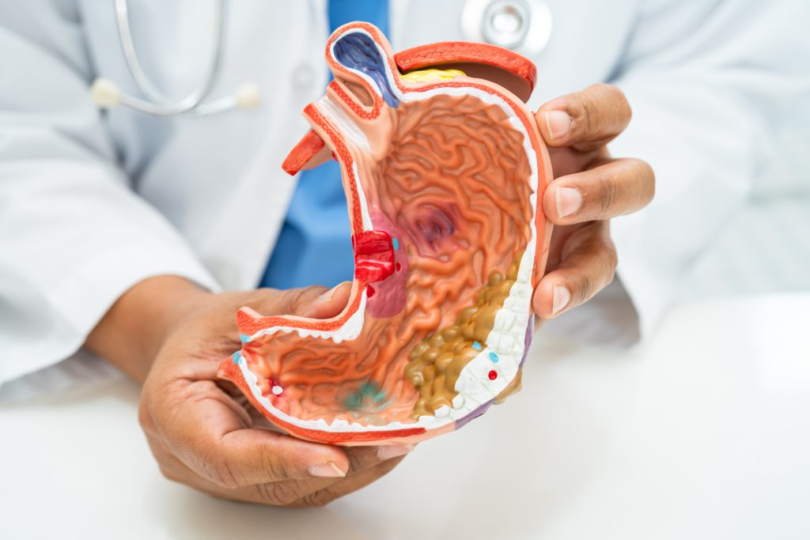

There is a growing prevalence of digestive diseases in India, including gastrointestinal cancers, Crohn’s disease, liver cirrhosis, irritable bowel syndrome (IBS), and gastrointestinal tract infections. In fact, approximately 70 million Indians suffer from gastrointestinal disorders daily. While diagnostic evaluations, hospitalisation, and long-term treatments can become financially burdensome, a comprehensive health insurance plan can substantially mitigate these out-of-pocket expenses.
Common Digestive Disorders and Infections Covered
Asking which health insurance is best in india is a question that depends heavily on your age, the number of people you need to cover, your health history, and how much you can afford in annual premiums. To determine which health insurance is best in india for your situation, compare plans on parameters like sum insured options, sub-limits on room rent and ICU charges, waiting periods for pre-existing conditions, and the size of the cashless hospital network. Many insurance experts agree that when answering which health insurance is best in india, Star Health stands out for its dedicated health insurance model, strong claim settlement track record, and wide-ranging plan options for individuals, families, and senior citizens. The answer to which health insurance is best in india will also depend on whether you require maternity benefits, specialist consultations, or OPD cover as part of your plan. Spending time online comparing options is the most reliable way to determine which health insurance is best in india for your specific needs.
Modern health insurance policies in India provide extensive coverage for a wide range of gastrointestinal tract issues.
Chronic and Structural Conditions
Most comprehensive health care plans cover the following conditions:
Gastroesophageal Reflux Disease (GERD), gastritis, and peptic ulcers.
Irritable Bowel Syndrome (IBS).
Inflammatory Bowel Disease (IBD), collectively known as Crohn’s disease and ulcerative colitis.
Liver and pancreas-related diseases, including hepatitis, fatty liver, liver cirrhosis, and pancreatitis.
Appendicitis, gallstones, gallbladder diseases, celiac disease, and hiatal hernia.
Digestive System Infections
Infections affecting the stomach or intestines are highly common in India due to poor hygiene, contaminated food, unsafe water, and seasonal shifts—especially during the monsoon season. Severe infections presenting with symptoms such as stomach pain, vomiting, diarrhoea, fever, bloating, and dehydration are covered if they require hospital treatment recommended by a registered practitioner. Emergency care for food poisoning is also covered based on your specific policy conditions.
Types of Treatments and Policy Benefits
Health insurance plans handle digestive care expenses through several distinct policy provisions:
1. Inpatient Hospitalisation and Care
If your condition becomes serious or requires surgical intervention, policies typically cover inpatient expenses. This includes hospital room rent, ICU support, nursing charges, specialist or doctor consultation fees, and medications administered during your stay. Major surgeries such as an appendectomy, gallbladder surgery (cholecystectomy), hernia repair, bowel surgery, or treatments for internal gastrointestinal bleeding are fully covered under standard hospitalisation benefits.
2. Diagnostic Tests and Evaluations
Early and precise diagnosis is crucial for effective treatment. Policies cover medically necessary diagnostic benefits, which typically encompass:
Endoscopy and colonoscopy.
Liver biopsies, liver function tests, and blood investigations.
X-rays, abdominal ultrasounds, CT scans, and MRI scans.
3. Daycare and OPD Coverage
Advancements in medical technology allow several digestive procedures to be completed within a few hours without requiring a 24-hour hospital stay. The IRDAI has approved a list of daycare procedures, and insurers must pay for these interventions (such as investigative endoscopies or colonoscopies) even without an overnight admission.
4. Pre- and Post-Hospitalisation Benefits
Insurance coverage extends beyond the immediate hospital stay to handle the necessary medical care linked to the recovery period. Standard policies cover pre-hospitalisation expenses for 30 to 60 days before admission and handle post-hospitalisation costs for 60 to 90 days after discharge. This includes:
Follow-up doctor consultations with your gastroenterologist.
Prescribed medications.
Repeat evaluations, blood tests, and imaging scans.
Note: Only treatments and appointments directly tied to the primary hospitalised condition are eligible; over-the-counter remedies or unrelated consultations will not be covered.
Handling Digestive Emergencies
A digestive emergency refers to a sudden gastrointestinal issue that requires immediate medical care and hospital admission to avoid life-threatening complications.
Examples of Digestive Emergencies
Perforated ulcers
Intestinal obstructions
Severe pancreatitis
Internal gastrointestinal bleeding
Gallbladder infections and acute appendicitis
Preparation Checklist
To ensure your policy supports you during a crisis, verify these details in advance:
The locations of your nearest network hospitals.
Whether specific emergency digestive surgeries and ambulance charges are covered.
Your policy’s total sum insured limits and emergency contact numbers.
Keep your policy health card and past medical records accessible to speed up the urgent claim process.
Claims, Waiting Periods, and Exclusions
Understanding your policy parameters is essential to avoid surprises during a medical emergency.
How to File a Claim
Cashless Claims: Available at network hospitals, where approved bills are settled directly between the insurer and the hospital. For planned procedures (like a routine colonoscopy or gallbladder removal), you should seek pre-authorisation 48 to 72 hours before admission. For urgent emergency care (such as acute appendicitis), cashless processing can be initiated within 24 hours of patient admission.
Reimbursement Claims: If you seek care outside a network hospital, you must submit all original medical bills, your discharge summary, and diagnostic reports to the insurer within 30 days of discharge. Timely intimation is vital, as delayed notifications can cause claim complications.
Waiting Periods for Pre-Existing Conditions
If a digestive disorder (such as Crohn’s disease) was diagnosed before purchasing your policy, it is classified as a pre-existing condition. Under the IRDAI Health Insurance Regulations of 2016, insurers must clearly state all waiting period terms at the policy stage. Most plans enforce a 2 to 4-year waiting period for these conditions before full coverage kicks in. It is vital to disclose all past medical conditions honestly during your proposal to avoid claim rejections down the line.
Common Reasons for Claim Denial or Reductions
Claims may be rejected or reduced if the treatment falls under specific policy exclusions, if the mandatory pre-existing illness waiting period is incomplete, if hospital documentation is missing, or if the procedure is deemed non-emergency. Additionally, personal expenses, food charges, and non-medical hospital items are excluded from cashless settlements and must be paid separately by the patient.
Recognising Dengue symptoms early gives you the best chance of getting timely medical help and avoiding complications that can arise from delayed treatment. The most common Dengue symptoms include a sudden high fever, severe headache behind the eyes, joint and muscle pain, fatigue, and a skin rash that typically appears two to five days after fever onset. In severe cases, Dengue symptoms can progress to warning signs like persistent vomiting, bleeding from the nose or gums, and abdominal pain — all of which require immediate hospitalisation. Dengue symptoms are often mistaken for other viral infections in the early stages, so any fever above 102°F combined with muscle pain during monsoon season should prompt a blood test for confirmation. Star Health provides guidance on Dengue symptoms and the importance of a health plan that covers vector-borne diseases, helping you stay prepared ahead of dengue season.