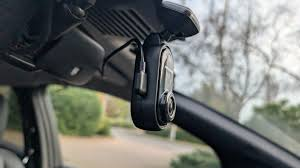
As the automotive industry accelerates towards a future filled with innovation, one particular feature is capturing the attention of both drivers and manufacturers alike: the built-in dash cam. For years, aftermarket dash cameras have been a staple for those seeking added security and peace of mind on the road. However, the integration of these devices directly into vehicles marks a significant shift in how we approach driving safety and accountability. This shift is not just about technology but also about how we practice safety and responsibility on the roads.
Imagine a world where every vehicle on the road is equipped with a built-in dash cam, silently recording every journey, every scenic route, and every unexpected incident. Such a future isn’t far off, and as we delve into the benefits and implications of this technology, it’s clear that the automotive landscape is experiencing a seismic shift.
The Rise of Built-In Dash Cams
Built-in dash cams are becoming a standard feature in many new vehicle releases, heralding a new era of driving. This change is reminiscent of a guitarist who, after years of practice with different instruments, finally finds the perfect guitar that resonates with their soul. For years, drivers have had to rely on third-party solutions, often with cumbersome installations and inconsistent performance. With built-in dash cams, those days are becoming a thing of the past.
These devices offer seamless integration with the vehicle’s existing systems, providing high-quality video recording without the hassle of dangling wires or suction cups on windshields. Manufacturers are keenly aware of the demand for these features, and by embedding dash cameras directly into the vehicle’s design, they are offering consumers a product that is both sleek and functional.
Advantages of Built-In Dash Cams
For you, the driver, the advantages of a built-in dash cam are manifold. Firstly, there’s the peace of mind that comes with knowing your journeys are being recorded. In the event of an accident, having clear, indisputable footage can be invaluable. It’s akin to being an araneid, skillfully weaving a web of protection around yourself and your loved ones, ensuring that no unforeseen event can catch you off guard.
Furthermore, built-in dash cams often come equipped with advanced features such as GPS tracking, parking mode, and integration with smartphone apps. This means that you can access footage remotely, receive alerts in case of a disturbance, and even get real-time updates on your vehicle’s location. The technology not only enhances safety but also adds a layer of convenience to your driving experience.
Implications for Insurance and Legal Matters
The implications of widespread dash cam usage extend beyond personal safety. In the realm of insurance, these devices can play a pivotal role in determining fault in accidents, potentially leading to fairer claims processes and even lower premiums. Just as a guitarist fine-tunes their instrument to achieve the perfect sound, insurance companies can fine-tune their policies to better reflect the realities of on-road incidents, thanks to the objective evidence provided by dash cameras.
From a legal standpoint, dash cam footage can serve as critical evidence in court, painting an accurate picture of events that transpired on the road. This can be particularly beneficial in hit-and-run situations or when dealing with fraudulent claims. As more vehicles are equipped with these devices, the roadways become a tapestry woven with accountability and truth.
The Road Ahead
As we look towards the future, it’s clear that the adoption of built-in dash cams is more than just a trend; it’s a movement towards a smarter, safer driving experience. Car manufacturers are continuously innovating, exploring ways to enhance dash cam functionality and integrate it with other advanced driver-assistance systems (ADAS).
However, as with all technological advancements, there are challenges to address. Privacy concerns are paramount, as the continuous recording of journeys raises questions about data security and usage. It’s essential for manufacturers to ensure that the data captured by these devices is stored securely and used responsibly.
Moreover, as drivers, you must also practice due diligence, understanding how to use these systems effectively and ethically. Just as an araneid constructs its web with precision and care, you too must navigate this new landscape with mindfulness and awareness.
The integration of dash cameras into vehicles represents a pivotal moment in automotive history. It’s a testament to how far we’ve come in our pursuit of safety and accountability on the road. As we embrace this technology, let us do so with the understanding that it is a tool for empowerment—a way to ensure that every journey is recorded, every moment is captured, and every driver is protected.
In conclusion, the advent of built-in dash cams in upcoming vehicle releases is more than just a technological advancement; it’s a commitment to creating a safer, more transparent driving experience. As we move forward, let us embrace this change with open arms, knowing that each drive is not only about reaching a destination but also about practicing safety, much like a guitarist who, after years of dedication, finally masters their craft. With built-in dash cams, we have the opportunity to master the road, one drive at a time.
The Advent of Built-In Dash Cams in Upcoming Vehicle Releases